Sound Design and Audio Editing Course Masterclass: From Beginner to Expert in 2026
Understanding Sound Design Fundamentals
Sound design is an integral component of multimedia production that involves the creation, manipulation, and enhancement of audio elements. With the ever-evolving landscape of digital technology, mastering sound design has become essential for anyone looking to make their mark in fields such as film, video games, and music production. This article will explore the core concepts of sound design and audio editing, including practical techniques and tools needed to excel in this vibrant industry. In your journey to become proficient in audio production, consider enrolling in a comprehensive Sound design and audio editing course that offers structured learning and hands-on experience.
What is Sound Design?
Sound design refers to the process of creating and manipulating audio elements to enhance the storytelling aspect of various media. This discipline encompasses a range of activities, including sound effects creation, audio editing, and mixing. The ultimate goal of sound design is to create an immersive auditory experience that complements the visual components of a project. Whether it’s the eerie silence in a horror film or the punchy sound of an action sequence, sound plays a pivotal role in shaping audience perception and emotional response.
Key Elements of Audio Editing
Audio editing is a crucial aspect of sound design, involving the manipulation of recorded sound for various purposes. Key elements of audio editing include:
- Trimming: Cutting out unnecessary parts of audio clips to improve flow.
- Mixing: Combining multiple audio tracks to create a cohesive soundscape.
- Effects: Applying audio effects (like reverb or compression) to enhance quality and impact.
- Foley: Creating custom sound effects in post-production to replace or augment original sounds.
- Equalization: Adjusting frequency balance to ensure clarity and reduce muddiness.
The Role of Sound in Multimedia
Sound serves multiple roles in multimedia projects. From establishing ambiance to driving narrative and emotional engagement, effective sound design can significantly impact the viewer’s experience. In film, sound is not merely an afterthought; it is interwoven with visuals to create a compelling story. Similarly, in video games, sound cues can guide player actions, enhance immersion, and provide sensory feedback, making sound design a critical consideration for developers.
Essential Tools for Audio Editing
To become proficient in sound design, one must be familiar with a variety of tools and technologies. The right tools not only streamline the creative process but also enhance the quality of the final output. Below are some essential instruments every sound designer should consider:
Overview of Digital Audio Workstations
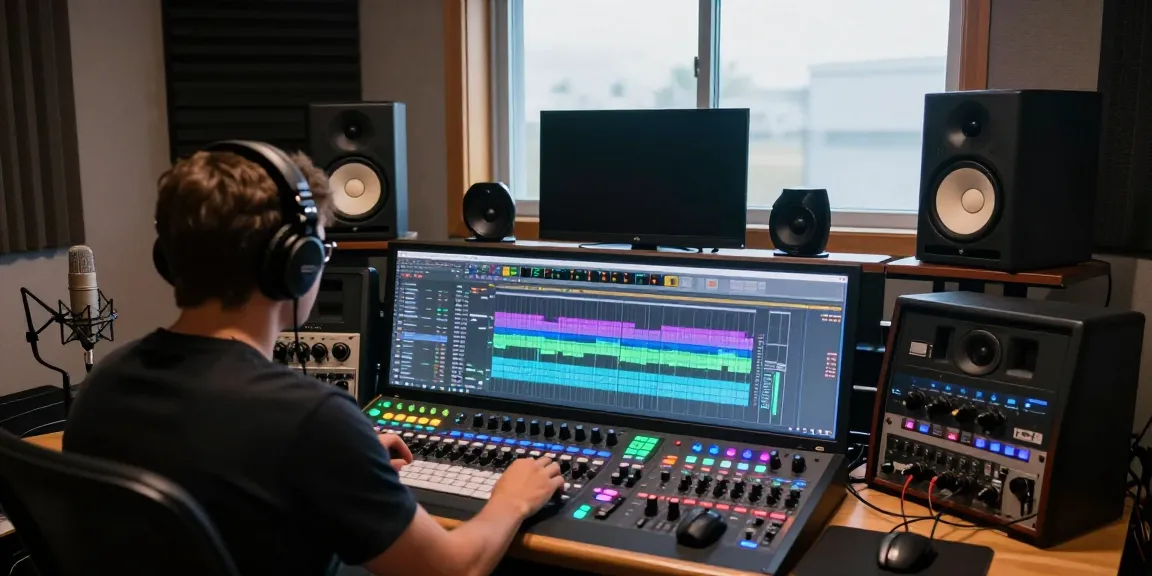
A Digital Audio Workstation (DAW) is software that allows users to record, edit, and produce audio files. Popular DAWs such as Adobe Audition, Pro Tools, and Logic Pro provide comprehensive features that cater to audio professionals. When choosing a DAW, consider factors such as user interface, compatibility with other hardware, and the specific requirements of your projects.
Must-Have Audio Equipment
While software is critical, having the right hardware can dramatically improve sound quality. Key audio equipment includes:
- Microphones: High-quality microphones capture audio with clarity and detail.
- Audio Interfaces: These devices convert analog signals into digital format, ensuring accurate sound capture.
- Headphones: Studio headphones allow for precise monitoring and editing of audio tracks.
- Speakers: Quality studio monitors provide an accurate playback experience, crucial for mixing.
Software Comparison: Adobe Audition vs. Others
Adobe Audition is a powerful audio editing tool favored by many professionals for its robust features and integration with other Adobe products. However, there are alternatives like Audacity, which is open-source and free, and Pro Tools, which is considered the industry standard for audio editing and post-production. When selecting software, consider your budget, the learning curve, and specific features required for your projects.
Techniques for Effective Sound Design
Mastering sound design involves understanding various techniques that enhance audio production. Here are some essential techniques to consider:
Creating Soundscapes for Different Media
Soundscapes are composite audio environments that establish the mood and context of a scene. Crafting effective soundscapes requires a blend of ambient sounds, effects, and musical elements. Whether for film, video games, or theater, creating a believable audio landscape is crucial for engaging the audience.
Sound Mixing Best Practices
Mixing is the process of blending multiple audio sources into a cohesive final track. Best practices for effective sound mixing include:
- Balancing Levels: Ensure that no single element overwhelms others; each sound should have its place.
- Panning: Distribute sounds across the stereo field to create a more immersive experience.
- Applying Effects: Use effects judiciously to enhance rather than distract from the core audio elements.
Layering and Effects for Impactful Audio
Layering different audio tracks, such as dialogue, sound effects, and music, can create depth and richness in sound design. Utilizing effects like reverb, delay, and compression can further enhance the auditory experience, allowing for more dynamic and engaging soundscapes.
Real-World Applications of Sound Design
Understanding the practical applications of sound design is vital for aspiring professionals. Here are some areas where sound design plays a crucial role:
Sound Design in Film and Television
In film and television, sound design impacts everything from dialogue clarity to the emotional weight of a scene. Skilled sound designers work behind the scenes to ensure that every auditory element contributes to the narrative. This includes designing sound effects, mixing audio tracks, and ensuring synchronization between sound and visuals.
Importance of Sound in Video Games
For video games, sound design fosters player immersion and provides critical feedback. Audio elements such as character voices, environmental sounds, and music score are intricately woven into the gameplay experience. Effective sound design can enhance gameplay, guide players, and evoke emotional responses that keep players engaged.
Building a Portfolio for Freelance Opportunities
Whether you aim to work in-house or freelance, building a robust portfolio is essential. Showcase a variety of projects that highlight your sound design skills, including film clips, game soundscapes, and collaborative works. A well-rounded portfolio can attract clients and demonstrate your versatility as a sound designer.
Future Trends in Sound Design and Audio Editing
The realm of sound design is continually evolving, driven by technological advancements and changing industry needs. Here are some trends shaping the future of the field:
Emerging Technologies in Sound Production
New technologies such as virtual reality (VR) and augmented reality (AR) are expanding the possibilities of sound design. These environments require innovative audio solutions that create a sense of presence and realism, allowing sound designers to explore spatial audio and interactive soundscapes.
Impact of AI on Audio Editing
Artificial Intelligence (AI) is revolutionizing audio editing by automating mundane tasks such as noise reduction, mixing, and even sound design. While AI can enhance productivity, it also raises questions about the future of audio creativity and the role of human sound designers.
The Evolving Landscape of Audio Careers
As the demand for skilled audio professionals increases, so do the career opportunities available in this space. From traditional roles in film and TV to emerging fields in immersive media and interactive design, sound designers must continually adapt to stay relevant in a fast-paced industry.
What prerequisites are needed for a sound design course?
Many sound design courses welcome students from various backgrounds. Basic knowledge of audio principles and familiarity with software may be beneficial but are not always required. Most importantly, a passion for audio and a willingness to learn are critical prerequisites.
How long does the audio editing course take?
The duration of an audio editing course varies widely, ranging from a few weeks to several months, depending on the institution and course depth. Courses that offer hands-on projects and personalized feedback often provide a richer learning experience.
What are the career opportunities after completing the course?
Graduates of sound design courses can pursue various career paths, including sound designers for film and television, audio engineers, game audio designers, and freelance audio professionals. The skills gained from these courses can also open doors to roles in marketing, advertising, and content creation.
Can I learn sound design online?
Yes, numerous online platforms offer comprehensive courses in sound design that cater to different skill levels. These courses often include video tutorials, interactive projects, and community support to foster learning.
Are there any free resources for sound design and audio editing?
While structured courses are beneficial, there are also free resources available online, including tutorials, forums, and articles that cover various sound design principles and techniques. YouTube, podcasts, and audio production blogs can provide valuable insights into the field without any financial commitment.