Understanding Digital Asset Mining Platforms
The rise of digital assets has transformed the financial landscape, paving the way for innovative technologies and platforms. One of the most significant advancements in this realm is the emergence of digital asset mining platform. These platforms facilitate the process of mining cryptocurrencies and other digital assets, allowing users to harness computational power for profit. As the demand for cryptocurrencies continues to grow, understanding these platforms becomes essential for anyone looking to enter the digital asset space.
What is a Digital Asset Mining Platform?
A digital asset mining platform serves as a foundation for individuals or companies to mine cryptocurrencies. Mining involves validating transactions on a blockchain and adding them to the public ledger, known as the blockchain. This process requires high computational power, which is why mining platforms typically combine numerous miners' efforts to compete effectively.
Modern platforms offer various functionalities, ranging from hardware provisioning to software management, enabling miners to optimize their operations for maximum efficiency and profitability. Users can either buy mining hardware to operate independently or lease computing power from third-party providers, depending on their needs and expertise.
Historical Context and Evolution of Digital Asset Mining
The concept of digital asset mining dates back to the inception of Bitcoin in 2009. Initially, individuals mined Bitcoin using personal computers, but as the network grew, competition intensified, leading to the creation of specialized hardware called ASICs (Application-Specific Integrated Circuits). These devices are specifically designed for mining, offering significantly greater efficiency than general-purpose hardware.
Over time, mining has evolved into a complex industry, with large-scale operations requiring sophisticated infrastructure. This evolution has prompted the emergence of mining pools—groups of miners who combine their resources to improve the chances of solving cryptographic puzzles. The rewards are then distributed according to each miner's contribution, making the mining process more accessible to individuals without significant upfront investment.
Key Components of Modern Mining Platforms
- Hardware: High-performance mining rigs or ASIC miners serve as the backbone of any mining operation. The efficiency of these machines greatly influences profitability.
- Software: Mining software manages the hardware and connects miners to the blockchain, allowing them to participate in transaction validation.
- Pools: Mining pools enhance the odds of earning rewards, consolidating power and resources for shared success.
- Wallets: A secure digital wallet is essential for storing the mined cryptocurrencies safely.
- Cloud Services: Many platforms now offer cloud mining services, allowing users to rent mining power without owning physical hardware.
Choosing the Right Tools and Technologies
To navigate the digital asset mining landscape effectively, miners must identify the most suitable tools and technologies that align with their operational needs and investment strategies.
Essential Software for Mining Operations
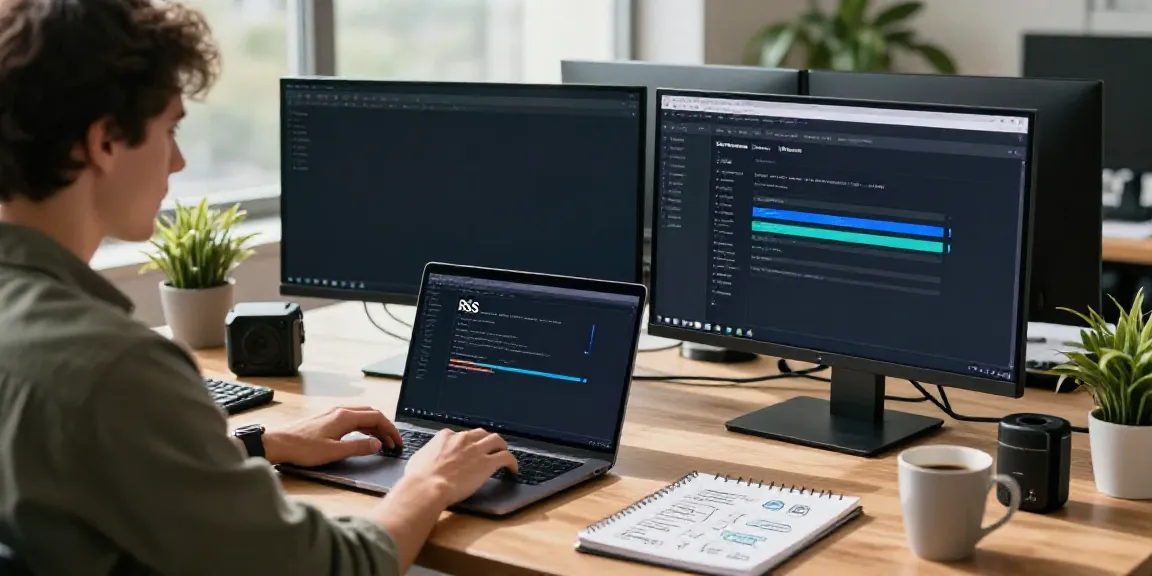
Mining software plays a critical role in optimizing the overall performance of mining operations. Programs like CGMiner and BFGMiner offer advanced configuration options for experienced miners, while user-friendly interfaces like EasyMiner cater to beginners. The right software can help streamline processes, manage hardware efficiently, and even provide crucial data analytics for better decision-making.
Comparing Hardware Options for Optimal Performance
Selecting the appropriate hardware is pivotal for mining success. ASIC miners, like the Antminer series from Bitmain, dominate the Bitcoin mining space, providing unparalleled hash rates and energy efficiency. However, miners interested in altcoins may opt for GPUs, which are versatile and can mine various cryptocurrencies. Understanding hash rates, power consumption, and costs will help miners select the best option for their specific goals.
Integration of AI in Digital Asset Mining
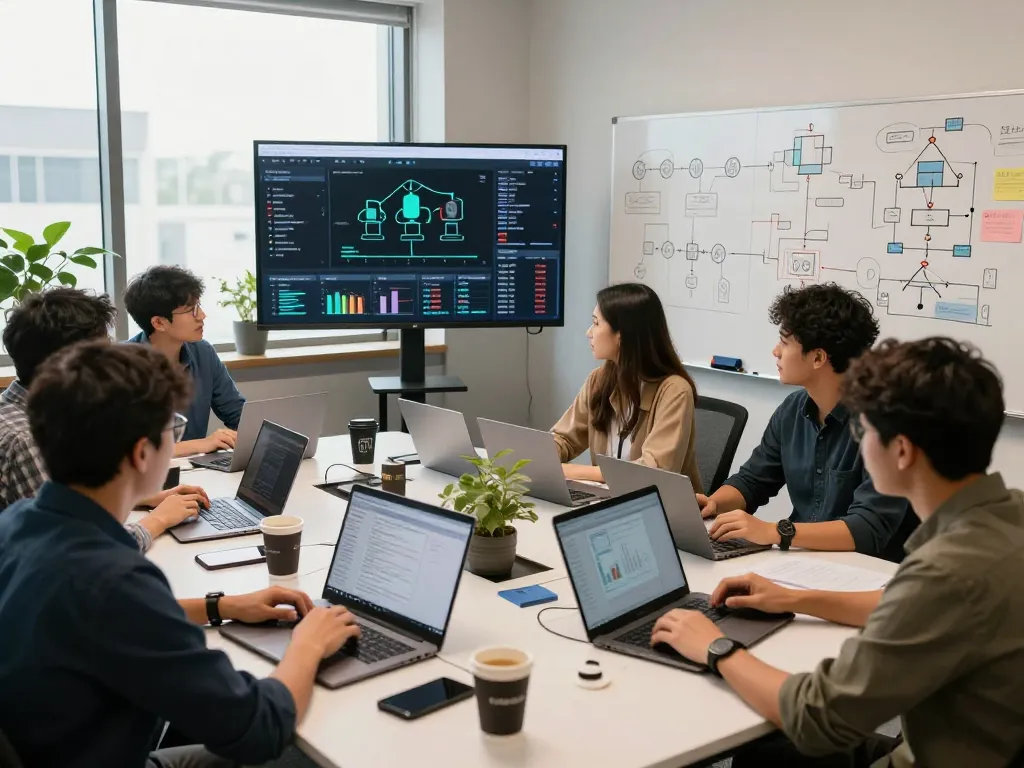
The integration of artificial intelligence (AI) into mining operations is a growing trend. AI can predict market trends, optimize mining outputs, and enhance energy efficiency, offering miners valuable insights that were previously unattainable. By leveraging AI tools, miners can make data-driven decisions that improve profitability and reduce operational risks.
Best Practices for Success in Mining
Successful digital asset miners adopt specific strategies and practices to maximize their returns and ensure sustainability in their operations.
Strategies for Maximizing Returns on Investments
Investing in digital asset mining requires careful planning and execution. Miners should stay informed about market trends and select cryptocurrencies with potential for high returns. Diversifying investments across different coins can also mitigate risks. Additionally, understanding the costs associated with mining, such as electricity and maintenance, allows miners to develop sound financial strategies that maximize their profits.
Energy Efficiency and Sustainability in Mining
With the increasing scrutiny on the environmental impact of mining operations, energy efficiency has become a crucial consideration. Utilizing renewable energy sources, such as solar or wind, can significantly reduce operational costs and carbon footprints. Miners are also exploring innovative cooling solutions, such as immersion cooling, to improve energy efficiency and prolong hardware lifespan.
Compliance and Legal Considerations for Miners
As regulatory frameworks are still evolving, miners must stay abreast of the legal environment surrounding cryptocurrencies. Compliance with local laws and tax regulations is essential to avoid penalties and ensure the legitimacy of operations. Engaging with legal experts and adhering to best practices can help miners navigate complex regulatory landscapes.
Challenges Faced by Digital Asset Miners
Despite the promise of profitability, digital asset miners encounter several challenges that can impact their success.
Addressing Security Risks in Mining Operations
Security is a paramount concern in the world of digital asset mining. Mining operations are susceptible to various threats, including hacking, theft, and malware. Implementing robust security measures, such as two-factor authentication, regular software updates, and secure wallet management, can help protect assets and maintain operational integrity.
Navigating Market Volatility and Its Impacts
The cryptocurrency market is notoriously volatile, with prices fluctuating dramatically. This volatility can significantly affect mining profitability. Miners must develop strategies to adapt to market conditions, such as timing the sale of mined assets or exploring alternative cryptocurrencies during downturns. Monitoring market trends and using analytics tools can provide valuable foresight.
Dealing with Regulatory Obstacles in Different Regions
As cryptocurrencies gain traction worldwide, different regions are implementing varying regulatory measures. Miners operating internationally must understand and comply with local regulations, which can differ significantly from one jurisdiction to another. Staying informed and adaptable is crucial for overcoming these hurdles.
The Future of Digital Asset Mining Platforms
The digital asset mining landscape is poised for significant changes as technology and regulatory frameworks evolve.
Emerging Trends and Technologies for 2026
As we approach 2026, we can expect continued advancements in mining technology, including enhanced ASIC miners and the adoption of next-generation blockchain protocols. Additionally, decentralized finance (DeFi) will likely play a more prominent role in mining, with platforms enabling novel ways to generate returns from staking and yield farming alongside traditional mining.
The Role of Decentralization in Future Mining
Decentralization is set to reshape the mining landscape, reducing reliance on centralized mining pools. By adopting decentralized mining protocols, individual miners can maintain more control over their operations and rewards. This shift may lead to a more equitable distribution of mining profits and encourage innovation across the ecosystem.
Predictions for the Evolution of Mining Platforms
In the coming years, digital asset mining platforms will likely evolve to incorporate more integrated solutions that combine mining, trading, and wallet services. User experience will also improve with the introduction of AI-driven analytics tools, making it easier for miners to navigate the complex landscape. Ultimately, these advancements will drive greater participation in the mining ecosystem, democratizing access to digital asset opportunities.