Expert Guide to CNC Glass Cutting Machines in 2026: Effective Solutions for Precision
Understanding CNC Glass Cutting Machines
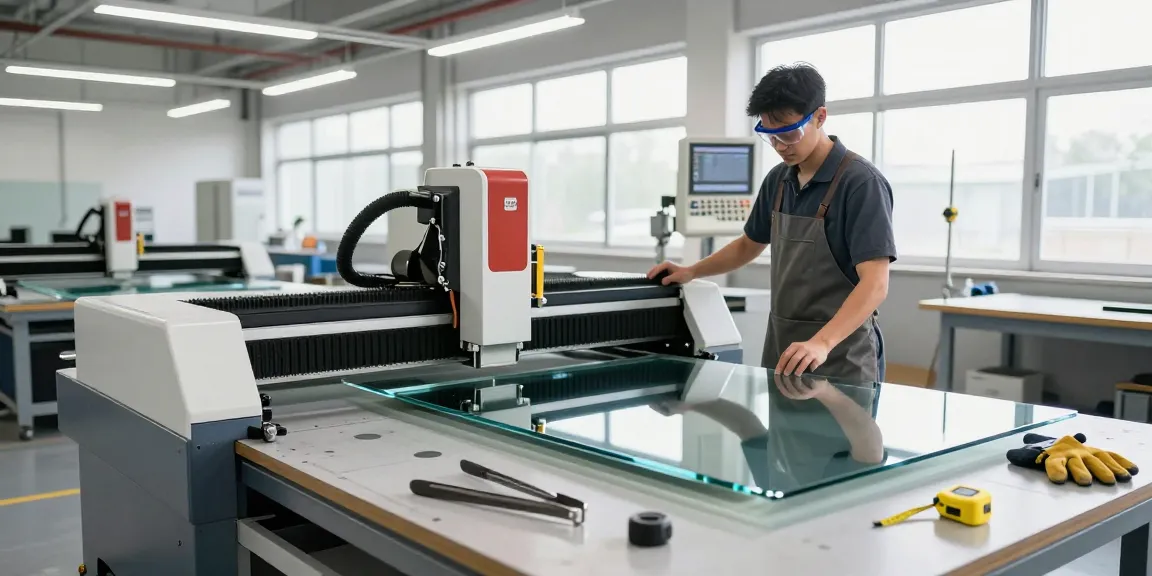
As industries evolve, so does the technology behind them. One such advancement is the introduction of CNC (Computer Numerical Control) glass cutting machines. These devices have revolutionized the way glass is cut, enhancing precision, efficiency, and adaptability in various applications. By automating the cutting process, CNC machines eliminate many of the imperfections associated with manual methods, making them essential in today’s manufacturing environments. Along with their impressive capabilities, glass cutting machine cnc systems promise to meet the increasing demands of high-quality glass products across different sectors.
What is a CNC Glass Cutting Machine?
A CNC glass cutting machine is an advanced piece of technology designed to cut sheets of glass into specified shapes and sizes with precision. Utilizing computer programming, these machines control the cutting process based on pre-defined parameters. The CNC system allows for intricate designs to be executed with minimal error, allowing for complex shapes that traditional methods would struggle to achieve. These machines can also be adapted for various materials beyond glass, demonstrating their versatility in the manufacturing landscape.
Benefits of Using CNC for Glass Cutting
CNC glass cutting machines offer numerous advantages over their manual counterparts. Some of the most notable benefits include:
- Precision: CNC machines can achieve extremely tight tolerances, ensuring that each cut is exact and consistent.
- Efficiency: The automated nature of CNC systems allows for faster production times, reducing lead times and increasing output.
- Reduced Waste: Improved cutting accuracy minimizes material wastage, maximizing the use of glass sheets.
- Versatility: These machines can be programmed to cut various shapes, sizes, and thicknesses, accommodating diverse project requirements.
- Ease of Use: Operators need minimal training to operate CNC machines, streamlining workforce deployment.
CNC Glass Cutting vs. Traditional Methods
When comparing CNC glass cutting machines to traditional cutting methods, several key differences emerge. Traditional methods often rely on manual scoring and breaking, which can be inconsistent and labor-intensive. In contrast, CNC machines utilize computer algorithms to direct the cutting path, yielding precise results with less human error. Moreover, CNC systems can handle more complex designs that manual cutting cannot easily replicate. This transition to automated cutting is particularly beneficial for businesses looking to enhance quality while maintaining competitive pricing.
Key Features of Advanced CNC Glass Cutting Machines
Precision and Accuracy in Glass Cutting
Precision is paramount in glass processing, and CNC cutting machines excel in this aspect. Equipped with high-resolution servos and advanced algorithms, these machines can achieve a cutting tolerance of ±0.1mm, which is crucial for high-stakes applications such as architecture, automotive glass, and consumer electronics. Such precision not only enhances the quality of the final product but also significantly decreases the likelihood of rework or waste due to errors.
Automation Technologies in CNC Glass Cutting
Automation is a cornerstone of modern CNC glass cutting machines. Advanced features include automatic loading and unloading systems, which streamline operations and reduce labor costs. Many machines come integrated with software that allows for immediate adjustments based on the cutting pattern or material being used, ensuring optimal performance throughout production runs. This level of automation enables manufacturers to operate more efficiently and respond quickly to market demands.
Safety Features and Best Practices
Safety is critical in any industrial setting, especially when working with glass. CNC glass cutting machines are equipped with multiple safety features, such as emergency stop buttons, protective shields, and sensors that detect anomalies during operation. Implementing best practices—such as regular maintenance, operator training, and adhering to safety protocols—can further minimize risks associated with glass processing.
Choosing the Right CNC Glass Cutting Machine
Factors to Consider Before Purchase
Selecting the appropriate CNC glass cutting machine involves assessing various factors that can impact your operation’s efficiency and productivity. Some key considerations include:
- Production Volume: Determine the volume of glass you will be processing to select a machine with the appropriate capacity.
- Types of Glass: Different machines are tailored for specific types of glass, including float, tempered, and laminated glass.
- Software Compatibility: Ensure that the machine’s software can integrate with your existing design programs. This ensures a seamless workflow.
- Budget: While advanced features may be enticing, it’s essential to align your choice with your budget constraints.
Comparative Analysis of Leading Brands
Several manufacturers stand out in the CNC glass cutting market, each offering unique features and technological advancements. Brands such as Zhengke, Glassline, and CMS Glass Machinery provide a range of solutions tailored to different needs. Analyzing the specifications, customer reviews, and support options for these brands can help in making an informed decision.
Cost Considerations and Budgeting
The cost of CNC glass cutting machines can vary significantly based on features, capabilities, and brand reputation. Basic models may start around $20,000, while high-end machines with advanced automation and precision can exceed $200,000. Businesses should also consider ongoing costs such as maintenance, software updates, and training when budgeting for CNC technology.
Common Challenges in CNC Glass Cutting and Solutions
Dealing with Material Variability
Glass can vary significantly in thickness, composition, and quality, which can pose challenges during cutting. To address this issue, it is crucial to calibrate machines based on the specific type of glass being processed. Using software that can adapt to different material properties enhances cutting accuracy and minimizes waste.
Maximizing Machine Efficiency
To get the most out of your CNC glass cutting machine, it is vital to maintain optimal operational conditions. Regular maintenance schedules, operational training for staff, and performance monitoring can all contribute to sustaining machine efficiency. Furthermore, employing features such as job queuing and batch processing can significantly improve throughput.
Maintenance Tips for Longevity
Proper maintenance of CNC glass cutting machines is essential for longevity and performance. Here are a few maintenance tips:
- Schedule regular inspections to identify wear and tear.
- Clean the cutting area frequently to remove glass dust and debris.
- Lubricate moving parts according to the manufacturer’s guidelines.
- Update software and firmware to ensure smooth operation and new features.
The Future of CNC Glass Cutting in 2026
Emerging Technologies and Innovations
The landscape of CNC glass cutting is rapidly evolving, driven by technological advancements. Innovations such as AI-driven predictive maintenance, enhanced material handling systems, and more precise cutting algorithms are set to redefine efficiency and productivity standards. These technologies will empower businesses to adapt quickly to market changes and customer demands, ensuring sustainable growth.
Market Trends in CNC Glass Processing
As we approach 2026, the demand for customized glass products is increasing, leading to a rise in the adoption of CNC glass cutting machines. The trend towards sustainable manufacturing practices is also influencing machine design, with a focus on energy efficiency and waste reduction. Companies that can leverage these trends will gain a competitive edge in the marketplace.
How to Stay Competitive in the Glass Industry
For businesses looking to maintain a competitive edge in the glass industry, investing in CNC glass cutting technology is essential. This includes not only acquiring advanced equipment but also fostering a culture of continuous improvement. Training programs for staff, staying abreast of industry trends, and engaging with manufacturers for support and upgrades will position companies for success in the evolving landscape.