Essential Guide to Everest Base Camp Trek 2026: Your Complete Adventure Awaits!

Overview of the Everest Base Camp Trek
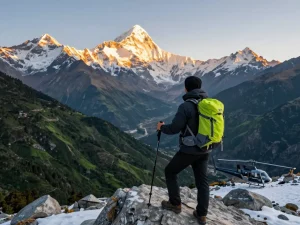
The Everest Base Camp trek is not just a physical journey, but an emotional and cultural experience that enchants adventurers from around the globe. Located in the Solu-Khumbu region of Nepal, this legendary trek takes you to the foot of Mount Everest, the tallest peak on Earth. Over the course of 14 days, trekkers will traverse breathtaking landscapes, interact with the warm and vibrant Sherpa culture, and challenge their physical limits as they acclimatize to altitudes surpassing 5,000 meters (16,404 feet). The trek serves not only as a pathway to the base camp but also as a journey through rich history and stunning natural beauty, making it an unforgettable adventure.
What to Expect on Your Journey
As you embark on this iconic trek, expect to encounter a multitude of challenges and spectacular sights. The trek begins with a flight from Kathmandu to Lukla, notorious for its scenic but brief landing on a cliffside runway. From Lukla, the trails intertwine through lush forests, quaint villages, and across suspension bridges that span deep gorges, providing views of the majestic peaks that surround you. Throughout the journey, you’ll experience a range of climatic conditions and topographical variations, from lush greenery in lower elevations to stark, high-altitude terrains. The path to Everest Base Camp is lined with prayer flags, mani stones, and ancient monasteries, all steeped in the rich traditions of the Sherpa community.
Key Sights Along the Route
The Everest Base Camp journey is filled with numerous highlights that captivate trekkers’ hearts and minds. Key sights include:
- Namche Bazaar: The bustling hub of the Khumbu region is famous for its vibrant markets and serves as a primary acclimatization point.
- Tengboche Monastery: The largest monastery in the region, offering spiritual insight and fantastic views of Everest and the surrounding peaks.
- Gorak Shep: The last stop before the base camp where stunning views of Mount Everest and the Khumbu Glacier can be seen.
- Kala Patthar: One of the highest vantage points along the trek, known for its breathtaking sunrise views over the Himalayas.
Overall Trek Difficulty and Preparation
The trek to Everest Base Camp is considered moderately challenging, primarily due to the high altitudes and the need for physical fitness and mental resilience. Trekkers will face daily walks of 5 to 8 hours, often involving steep ascents and descents. Therefore, adequate preparation is crucial. Potential trekkers should engage in a training regimen that includes cardiovascular exercises, strength training, and endurance hikes in preparation for the rigors of the trek. Additionally, awareness and understanding of altitude sickness are essential topics for anyone considering this adventure, as proper acclimatization is key to a successful trek.
Detailed Itinerary for the 14-Day Trek
Day-by-Day Breakdown of Activities
The 14-day itinerary is designed to provide optimal acclimatization and sufficient leisure time to enjoy the stunning surroundings. Here’s a day-by-day breakdown:
- Day 1: Arrival at Tribhuvan International Airport in Kathmandu and transfer to your hotel. This day allows you to relax and prepare for your adventure.
- Day 2: Fly to Lukla and trek to Phakding. This takes about 3-4 hours, offering a gentle introduction to the trek.
- Day 3: Trek to Namche Bazaar, which takes 5-6 hours. The trail provides stunning views and leads you through lush forests.
- Day 4: Acclimatization day at Namche. Hike to the Hotel Everest View and back to aid your body’s adjustment to altitude.
- Day 5: Trek to Tengboche (5-6 hours), visiting the famous Tengboche Monastery along the way.
- Day 6: Trek to Dingboche (5-6 hours), gaining altitude as you continue your journey.
- Day 7: Acclimatization day. Hike to Nangkartsang Peak for spectacular panoramic views.
- Day 8: Trek to Lobuche (5-6 hours), with impressive mountain scenery.
- Day 9: Trek to Everest Base Camp (8-9 hours) and return to Gorak Shep for the night.
- Day 10: Early morning hike to Kala Patthar (5,555 meters) for sunrise views before descending to Pheriche.
- Day 11: Trek back to Namche Bazaar from Pheriche (7-8 hours), retracing your steps.
- Day 12: Trek from Namche to Lukla (7-8 hours), enjoying the familiar trails.
- Day 13: Flight back to Kathmandu or Manthali, then transfer to your hotel.
- Day 14: Departure from Kathmandu.
Acclimatization Days and Their Importance
Acclimatization is a critical aspect of the Everest Base Camp trek. Spending adequate time at higher altitudes helps your body adjust to the decreased oxygen levels. This is particularly emphasized with dedicated acclimatization days in Namche Bazaar and Dingboche, where lighter day hikes are encouraged. These days are designed to reduce the risk of altitude sickness and ensure a safer trekking experience.
Traveling Tips for Each Stage
Throughout your trek, a few vital tips can enhance your experience:
- Stay Hydrated: Drink plenty of water throughout your trek to prevent dehydration and aid acclimatization.
- Pack Wisely: Ensure your pack is manageable, keeping essential items accessible for easy access.
- Listen to Your Body: Ascend slowly and pay attention to signs of altitude sickness, such as headaches or nausea.
- Engage with Local Culture: Take the time to learn about Sherpa culture, which adds depth to your trekking experience.
Cost and Inclusions for the 2026 Trek
Trip Pricing Breakdown
The cost for the Everest Base Camp trek varies based on packages and personal preferences. The average price for a standard package from reputable trekking companies ranges between $1,600 to $2,000 per person. This encompasses all necessary arrangements, from accommodation to permits, and guided trekking support.
What’s Included in the Trek Package
Typically, the Everest Base Camp trek package includes:
- Accommodation in Kathmandu (2 nights) and during the trek (11 nights)
- All necessary permits (TIMS, Sagarmatha National Park)
- Domestic flights from Kathmandu to Lukla
- Experienced English-speaking guide and porters
- Meals during the trek (breakfast, lunch, dinner)
Additional Costs and Budgeting Tips
While the package covers most expenses, trekkers should budget for additional costs, such as:
- Personal snacks and beverages
- Hot showers and charging devices
- Souvenirs and tips for guides and porters
- Emergency evacuations, if necessary
A daily budget of $15 to $20 for personal expenses works well, but be prepared for variations depending on individual spending habits.
Packing List for the Everest Base Camp Adventure
Essential Gear to Bring
Proper gear is essential for the Everest Base Camp trek. A well-planned packing list includes:
- Sturdy trekking boots
- Clothing layers (thermal base layers, warming layers, waterproof outer layers)
- Backpack (30-40 liters for day hikes)
- Sleeping bag rated for sub-zero temperatures
- First-aid kit and personal medications
- Hydration system or water bottles
Clothing Recommendations for Varying Weather
Weather conditions can fluctuate dramatically along the trek. Dressing in layers is crucial to adapt to temperature changes. Recommended attire includes:
- Wicking base layers
- Insulating mid-layers (fleece or down)
- Waterproof and windproof outer shells
- Warm hats, gloves, and scarves
Tips for Efficient Packing
To pack efficiently for your trek, consider the following tips:
- Limit your pack weight to under 15 kg (33 lbs) for easier trekking.
- Pack multi-purpose items to reduce bulk.
- Use packing cubes or compression bags to save space.
- Always include essential documents (passport, insurance) in your daypack.
FAQs about the Everest Base Camp Trek
What is the Best Time to Trek Everest Base Camp?
The best seasons to trek to Everest Base Camp are spring (March to early June) and autumn (mid-September to November). These months provide stable weather conditions and stunning views.
How Safe is Trekking to Everest Base Camp?
With adequate preparation, the trek is generally safe. Engaging a licensed guide and following safety protocols significantly enhances the safety of your journey.
Do I Need a Guide for the EBC Trek?
While some experienced trekkers may opt to trek without a guide, employing a knowledgeable local guide is recommended to ensure safety, navigational support, and deeper cultural insights.
What Health Precautions Should I Take?
It is crucial to consult with your physician prior to trekking, especially regarding altitude sickness prevention. Carry any necessary prescriptions and acclimatization methods.
Can Beginners Successfully Trek to Everest Base Camp?
Yes, with proper training, physical fitness, and a positive attitude, beginners can undertake the Everest Base Camp trek. Preparation and guidance are key to a successful experience.