Enhancing Your Home with Quality Vinyl Plank Flooring: Benefits and Styles
The Advantages of Vinyl Plank Flooring
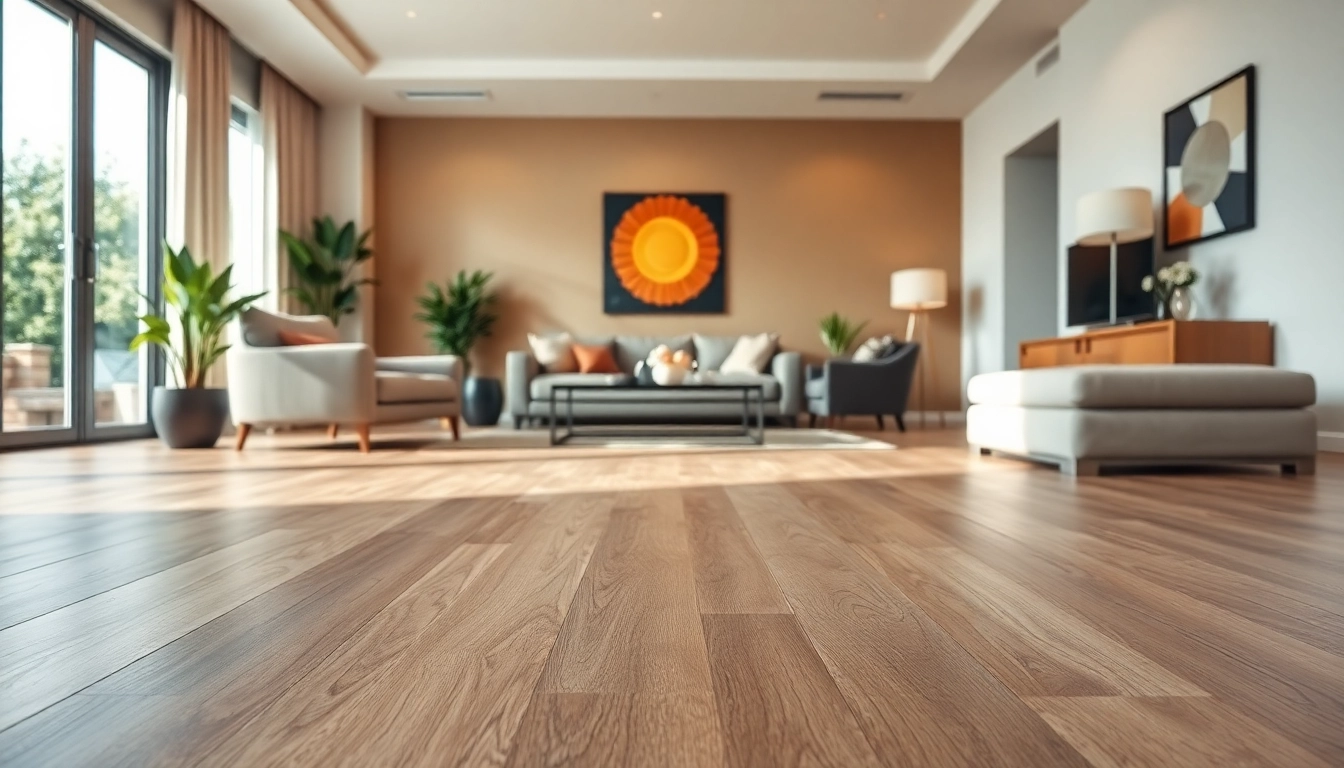
Vinyl plank flooring has surged in popularity among homeowners and commercial spaces alike due to its remarkable blend of aesthetics and functionality. Its realistic wood-like appearance, coupled with resilience and ease of maintenance, makes it an exceptional choice for a variety of settings. Choosing vinyl plank flooring could be the transformative decision for your space. Below, we explore the myriad advantages vinyl plank flooring offers.
Durability and Longevity
One of the standout features of vinyl plank flooring is its durability. Designed to withstand heavy foot traffic, it is ideal for both residential and commercial environments. Most products are constructed with multiple layers, including a wear layer that is resistant to scratches and stains. Hence, high-traffic areas, such as living rooms, dining areas, and commercial settings, can benefit immensely from its robust construction. In favorable conditions, vinyl plank flooring can last anywhere from 10 to 20 years, with many manufacturers providing warranties that affirm this longevity.
Easy Installation Process
The installation of vinyl plank flooring is notably straightforward, often requiring minimal tools and time. The planks are typically designed for both glue-down and floating installations, making them suitable for DIY enthusiasts and professional installers alike. With interlocking mechanisms or adhesive backs, homeowners can achieve a flawless finish without the need for professional assistance, which can save on labor costs. This ease of installation promotes swift transformations in living spaces without lengthy downtime.
Budget-Friendliness Compared to Alternatives
When considering flooring options, budget plays a pivotal role. Vinyl plank flooring is generally more affordable than hardwood or ceramic tile alternatives, making it an attractive option for those looking to enhance their homes without breaking the bank. Furthermore, given its durability, the long-term investment in vinyl plank flooring can lead to significant savings over time, reducing the need for repairs or replacements.
Types of Vinyl Plank Flooring
Understanding the different types of vinyl plank flooring is essential in selecting the best option for your needs. The market offers an array of products, each with distinct features suited for various applications.
Luxury Vinyl Plank Features
Luxury vinyl plank flooring (LVP) brings an added level of sophistication and realism to vinyl products. LVP is designed to mimic the appearance of natural wood, providing rich textures and aesthetic options that cater to diverse design sensibilities. The thicker planks can come with enhanced sound-dampening properties, making them perfect for multi-story homes or high-traffic areas. Additionally, many luxury options incorporate intricate embossing techniques that enhance the natural look and feel.
Waterproof Options for All Areas
One of the most significant benefits of vinyl plank flooring is its waterproof capabilities. This makes it an exceptional choice for moisture-prone areas such as bathrooms, kitchens, and basements. Unlike hardwood flooring, which can warp under moisture exposure, waterproof vinyl planks maintain their integrity even in humid or wet conditions. Some variants are explicitly designed for these environments, ensuring longevity and aesthetic appeal without the risk of damage.
Variety of Finishes and Textures
The scope of design finishes and textures available with vinyl plank flooring is impressive. Homeowners can choose from matte, glossy, or textured finishes that complement their interior design. Additionally, textures can be selected based on specific preferences for slip resistance or tactile appeal, allowing for tailored experiences in every space of the home. This flexibility in design reinforces the adaptability of vinyl plank flooring to various styles, from minimalist to rustic.
Choosing the Right Vinyl Plank Flooring for Your Home
Choosing the right vinyl plank flooring requires thoughtful consideration of several key factors to ensure it aligns with your aesthetic preferences and functional requirements.
Assessing Your Space and Style
The first step in selecting vinyl plank flooring is to assess your space and overall style. Consider factors such as room size, existing decor, and the intended use of the space. For instance, dark planks might make a small room feel cozy but could also make it feel more confined. Wider planks can create the illusion of space, making them perfect for larger areas.
Understanding Maintenance Requirements
While vinyl plank flooring is renowned for its low-maintenance characteristics, it’s important to understand the specific care requirements for your chosen product. Regular cleaning involves sweeping and occasional mopping with a proper cleaner, while avoiding harsh chemicals that could damage the surface. Some luxury variants may also require additional care, so it’s essential to refer to the manufacturer’s guidelines.
Matching Colors and Patterns to Existing Decor
Choosing colors and patterns that complement your existing decor can create a harmonious flow throughout your home. Neutral tones can provide a versatile backdrop for various design styles, while bold colors or patterns can serve as focal points. Consider how the flooring will interact with furniture, artwork, and other elements within your space. Samples can be an excellent way to visualize the final appearance in natural light.
Installing Vinyl Plank Flooring: A Step-by-Step Guide
Installing vinyl plank flooring can be a rewarding DIY project, offering the chance to revitalize your space without extensive hassle. Here’s a step-by-step guide to help you along the way.
Preparing the Subfloor
Before installation, it is vital to prepare your subfloor adequately. This step involves ensuring the subfloor is clean, dry, and level. Any imperfections can affect the longevity and performance of the vinyl plank flooring. If necessary, apply a leveling compound to create a smooth surface. The subfloor should be free from moisture; hence it is advisable to test for moisture levels if you’re working over concrete.
Measuring and Cutting Planks
Accurate measurement is crucial for a seamless installation. Start by measuring the room and calculating the number of planks required. When cutting the planks, use a utility knife for straight edges, and don’t forget to leave expansion gaps along the walls to allow for natural expansion and contraction caused by temperature changes. It’s also a good practice to stagger seams for an aesthetically pleasing appearance and increased structural stability.
Sealing and Finishing Touches
Once the planks are installed, consider sealing any edges or seams, especially in areas exposed to moisture. Finishing touches such as trim and molding can provide a polished look. Ensure all transition strips between different flooring types are properly installed to create a cohesive appearance, minimizing tripping hazards. Regular inspection of seams is advised to maintain the integrity and aesthetics of your flooring.
FAQs About Vinyl Plank Flooring
What is the lifespan of vinyl plank flooring?
Vinyl plank flooring can last anywhere from 10 to 20 years, depending on quality and maintenance. High-end products designed for heavy foot traffic will typically have a longer lifespan.
Is vinyl plank flooring easy to clean?
Yes, vinyl plank flooring is easy to maintain with regular sweeping and occasional mopping. It resists stains and requires minimal upkeep compared to other flooring types.
Can vinyl plank flooring be installed over carpet?
No, it’s recommended to install vinyl plank flooring over a clean, solid subfloor for proper performance. Installing over carpet can result in uneven surfaces and potential damage.
Is vinyl plank flooring scratch-resistant?
Many vinyl plank floors feature a protective layer that enhances scratch resistance, ideal for pets and high-traffic households. However, care should still be taken to minimize scratches.
How does vinyl plank flooring compare to laminate?
Vinyl plank flooring is generally more waterproof than laminate, making it a better choice for moisture-prone areas. It also offers a more realistic wood appearance, enhancing its aesthetic appeal.