Benefits of Astaxanthin for Inflammation Management
Introduction to Astaxanthin and Inflammation
Astaxanthin, a powerful carotenoid found in various marine organisms, has gained significant attention in recent years for its potential health benefits, particularly in managing inflammation. Inflammation is a natural process the body uses to fight off pathogens and heal injuries; however, when it becomes chronic, it can lead to various health issues including heart disease, diabetes, and autoimmune disorders. Understanding the role of astaxanthin for inflammation is essential for anyone looking to enhance their overall well-being.
What is Astaxanthin?
Astaxanthin is a red-orange pigment belonging to the carotenoid family, which gives certain marine life, like salmon and shrimp, their distinctive colors. It is naturally produced by microalgae, particularly Haematococcus pluvialis. This potent antioxidant is known for its ability to increase cellular resilience to oxidative stress and inflammation. Most notably, astaxanthin boasts a unique chemical structure that allows it to cross biological membranes, making it particularly effective in protecting cells from free radical damage.
Link Between Inflammation and Health
Chronic inflammation is now recognized as a silent contributor to various chronic diseases. It may manifest as pain, redness, or swelling in the short term, but long-term inflammation can lead to serious health consequences. Conditions like arthritis, cardiovascular disease, and neurodegenerative disorders have been linked to ongoing inflammatory responses in the body. Thus, managing inflammation is crucial for protecting overall health and extending longevity. The exploration of natural compounds like astaxanthin as inflammation-fighting agents is becoming increasingly relevant in modern health discussions.
How Astaxanthin Works in the Body
Astaxanthin functions primarily as an antioxidant, which means it can neutralize free radicals that contribute to oxidative stress and inflammation in the body. It has been shown to inhibit inflammatory markers such as cyclooxygenase (COX) and lipoxygenase (LOX) pathways, which are crucial in the inflammatory response. This action not only helps reduce inflammation but also enhances recovery from various physical stressors and injuries, making it an ideal candidate for athletes and active individuals seeking to maintain optimal health.
Research on Astaxanthin for Inflammation Relief
Clinical Studies and Findings
A plethora of studies have explored the effects of astaxanthin on inflammation, revealing promising results. For instance, a study indicated that individuals who supplemented with astaxanthin showed significant reductions in inflammatory markers compared to those taking a placebo. Additionally, animal studies have consistently demonstrated the benefits of astaxanthin in reducing inflammation and mitigating damage in various organ systems, which supports its usage in human health.
Benefits Highlighted by Research
Research highlights numerous benefits of astaxanthin in inflammation management, including:
- Reduction of muscle soreness post-exercise.
- Improved joint mobility and function in individuals with arthritis.
- Decreased symptoms associated with metabolic syndrome.
- Enhanced skin health by reducing UV-induced inflammation.
These benefits position astaxanthin as a potential adjunct in anti-inflammatory therapies, contributing to its rise in popularity among health enthusiasts and researchers alike.
Potential Limitations of Current Research
While the studies surrounding astaxanthin are promising, it is vital to acknowledge their limitations. Many studies are conducted on relatively small sample sizes or involve animal models rather than robust human trials. This raises questions regarding the generalizability of the findings. Moreover, individual responses to supplementation can vary, influenced by factors such as genetics, lifestyle, and diet. More extensive, long-term studies are necessary to fully understand the potential of astaxanthin for inflammation management.
Different Forms of Astaxanthin Supplementation
Capsules vs. Powders
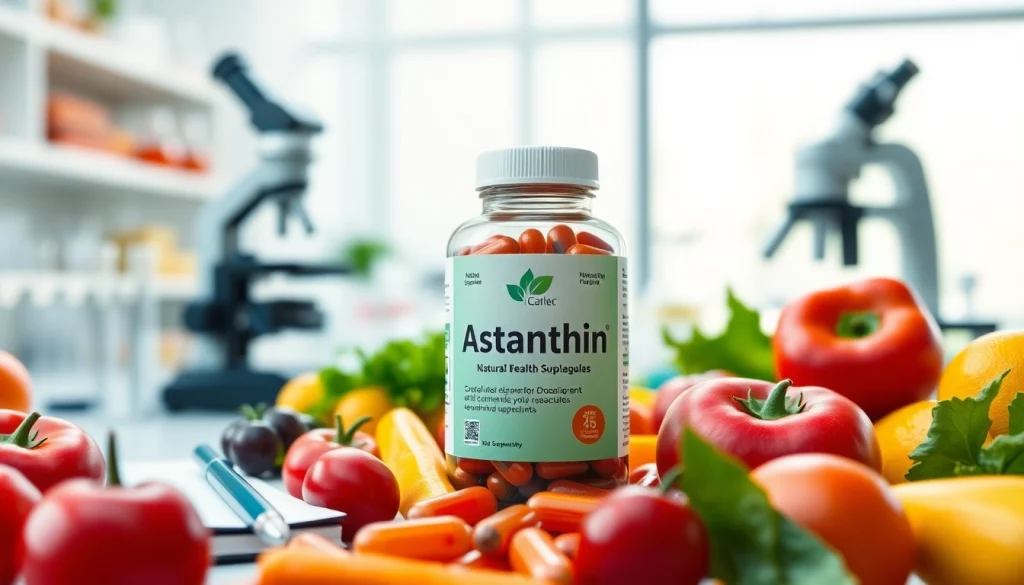
Astaxanthin can be found in various forms, including capsules, powders, and even as an ingredient in certain foods. Capsules usually offer a concentrated dose of astaxanthin, making them convenient for daily supplementation. Powders, on the other hand, allow for flexibility in usage; they can be added to smoothies, protein shakes, or other food items, appealing to those who prefer a more integrated approach to their nutrition.
Recommended Dosage for Inflammation
The appropriate dosage of astaxanthin may vary based on individual health goals and conditions. Research often cites a range of 4 to 12 mg per day for general health benefits, including inflammation reduction. However, individuals should consider consulting healthcare professionals for personalized recommendations, particularly if they have existing health conditions or are taking other medications.
Combining Astaxanthin with Other Supplements
Astaxanthin can be effectively combined with other supplements for synergistic effects in combating inflammation. For instance, omega-3 fatty acids and curcumin are popular choices. Omega-3s provide anti-inflammatory properties, while curcumin, found in turmeric, enhances overall healing. Integrating astaxanthin with these supplements may amplify their health benefits, making a comprehensive approach to inflammation management more effective.
Natural Sources of Astaxanthin
Top Food Sources Rich in Astaxanthin
For those preferring a dietary approach, astaxanthin is abundant in several natural food sources. The primary sources include:
- Salmon: Particularly wild-caught varieties, are among the richest sources.
- Shrimp and other shellfish: These marine creatures also contain high levels of astaxanthin.
- Red or pink algae: Employed in some health supplements.
- Trout: Another fish source rich in this carotenoid.
Incorporating these foods into a well-balanced diet can be an effective way to boost natural astaxanthin intake while benefiting from other nutrients.
Incorporating Astaxanthin-Rich Foods into Diet
To optimize astaxanthin consumption, consider integrating these foods into your daily meals. For example, grilling salmon or mixing shrimp into a colorful salad can enhance both flavor and nutrient density. Opting for seafood-rich recipes not only diversifies your palate but also supports overall health by delivering quality proteins and healthy fats alongside astaxanthin.
Recipes for Increased Astaxanthin Intake
Here are a few simple recipes to help you increase astaxanthin intake:
- Grilled Salmon Salad: Combine grilled salmon with mixed greens, cherry tomatoes, and a lemon-olive oil dressing.
- Shrimp Stir-Fry: Sauté shrimp with broccoli, bell peppers, and a splash of soy sauce for a quick meal.
- Astaxanthin Smoothie: Blend mango, spinach, and a spoon of algae powder for a nutrient-packed smoothie.
FAQ on Astaxanthin and Inflammation
What is the ideal dose of astaxanthin for inflammation?
The ideal dose ranges from 4-12 mg daily, but consulting a healthcare provider is advisable for personalized recommendations based on individual health conditions.
Can astaxanthin interact with medications?
Astaxanthin has a low potential for drug interactions, but individuals on medications should consult with their healthcare provider before incorporating it into their regimen.
Are there side effects associated with astaxanthin?
Astaxanthin is generally well-tolerated, with few reports of side effects. Some may experience mild reactions such as digestive upset, but serious side effects are rare.
How long does it take to see results with astaxanthin?
Timing can vary; most individuals may begin to notice benefits within 2-8 weeks of consistent supplementation, depending on factors such as health status and dosage.
Is astaxanthin safe for long-term use?
Astaxanthin is considered safe for long-term use when taken within recommended dosages. However, ongoing consultation with a healthcare provider is advisable for sustained supplementation.