Overview of the Everest Base Camp Trek with Helicopter Return
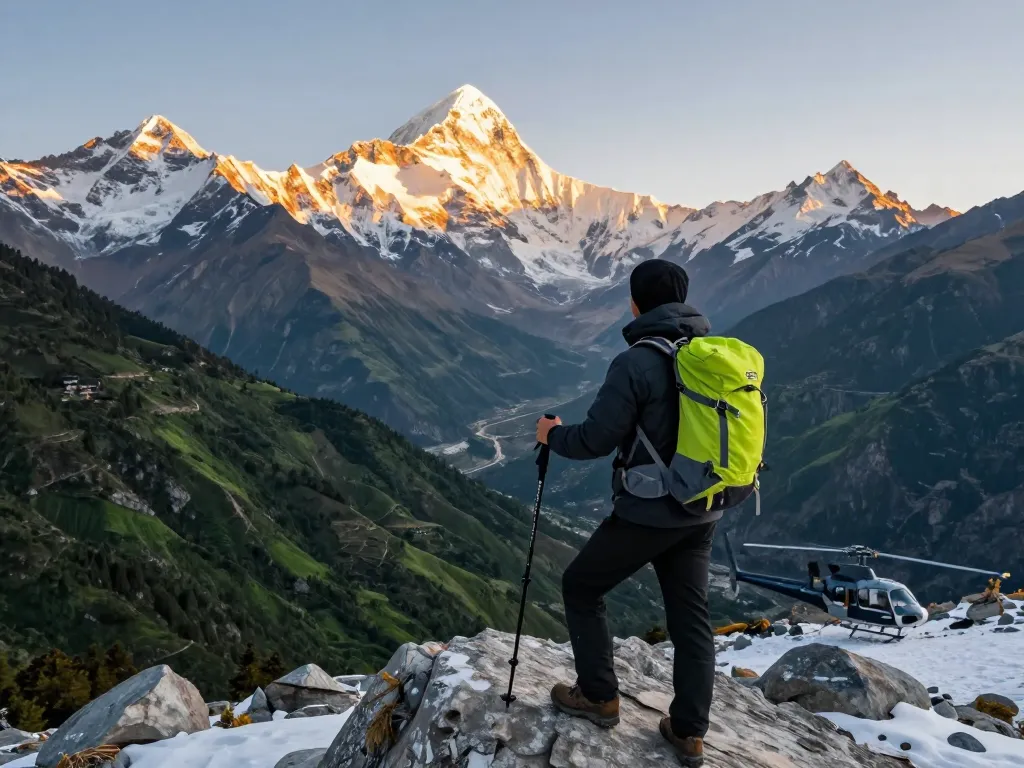
The Everest Base Camp Trek with Helicopter Return is a unique and increasingly popular option for adventurers looking to experience the majesty of the Himalayas without the grueling demands of a traditional trek. This trek offers a blend of scenic hiking and the thrilling experience of flying back to Kathmandu via helicopter. The route typically spans around 65 kilometers, significantly less than the traditional trek where both ascent and descent are completed on foot, making it an attractive option for those pressed for time or seeking a more convenient adventure. For comprehensive insights into planning your journey, the Everest Base Camp Trek with Helicopter Return is a recommended choice.
What is the Everest Base Camp Trek?
The Everest Base Camp (EBC) trek is an iconic journey that takes trekkers to the base of Mount Everest, the highest peak in the world. This trek often involves ascending through breathtaking landscapes, vibrant Sherpa villages, and serene monasteries, allowing hikers to immerse themselves in the local culture. The trek traditionally spans around 14 days, encompassing both the ascent to EBC and the descent back to Lukla, where flights return to Kathmandu. However, with the helicopter return option, adventurers can enjoy this remarkable trek condensed into a shorter timeframe, thus optimizing their experience and minimizing the physical toll.
Benefits of Helicopter Return
Opting for a helicopter return from the Everest Base Camp offers several advantages:
- Time-efficient: The helicopter return significantly reduces the overall trek time, allowing trekkers to complete the adventure in as little as 12 days.
- Reduced physical strain: With no need for a long descent, trekkers can avoid the fatigue and potential injuries associated with the rigorous trekking down from EBC.
- Scenic views: The helicopter journey not only provides a quicker return but also offers stunning aerial views of the mountain range that can be missed when trekking on foot.
- Flexibility: This option can be particularly advantageous in case of unpredictable weather or if trekkers need to make adjustments to their itinerary.
Key Highlights of the Trek
The trek to Everest Base Camp is not just about reaching the destination; it encompasses a variety of highlights that make the journey memorable:
- Stunning Landscapes: Trekkers are treated to awe-inspiring views of some of the tallest mountains on Earth, including Lhotse, Nuptse, and, of course, Everest.
- Rich Culture: The trek passes through charming Sherpa villages, allowing trekkers to experience the warm hospitality, cuisine, and traditions of the local communities.
- Historic Monasteries: Visits to ancient monasteries like Tengboche Monastery provide spiritual enrichment and insights into Buddhist practices.
- Wildlife Encounters: The trek through Sagarmatha National Park gives trekkers the chance to spot unique Himalayan wildlife, including the elusive snow leopard and colorful pheasants.
Planning Your Trek: Essential Tips
Choosing the Right Time to Trek
The best time to embark on the Everest Base Camp trek is typically during the spring (March to May) and autumn (September to November) seasons. These months offer favorable weather conditions, including stable temperatures and clear skies, making for ideal trekking conditions. Avoid the monsoon season (June to August), which can bring heavy rainfall and landslides, making trails slippery and dangerous. Winter trekking is also possible, but extreme cold can pose significant risks.
What to Pack for Your Journey
Preparing for the trek requires careful consideration of the gear needed. Here’s a basic packing list:
- Clothing: Layered clothing suitable for varying weather conditions, including thermal base layers, insulated jackets, and waterproof outer layers.
- Footwear: Sturdy and comfortable trekking shoes with good ankle support, along with warm socks.
- Sleeping Gear: A lightweight sleeping bag rated for cold temperatures and a comfortable sleeping pad.
- Miscellaneous: Sunscreen, sunglasses, first aid kit, and hydration supplies.
Understanding Cost and Budgeting
The cost of the Everest Base Camp Trek with Helicopter Return can vary widely depending on factors such as travel season, the trekking company, and inclusions like permits and gear. A typical budget can range from $1,800 to $3,000 per person. It’s essential to research and compare different package offers, ensuring they include necessary components such as meals, accommodation, and guides. Budgeting for additional expenses like tips and personal items is also advisable.
The Trekking Experience: What to Expect
Daily Itinerary Breakdown
The trek itinerary usually follows a well-structured format, allowing for proper acclimatization and enjoyment of the surrounding landscapes. A simplified version of a 12-day itinerary may include:
- Day 1: Arrival in Kathmandu.
- Day 2: Fly to Lukla, trek to Phakding.
- Day 3: Trek to Namche Bazaar (acclimatization day).
- Day 4: Trek to Tengboche.
- Day 5: Trek to Dingboche (acclimatization day).
- Day 6: Trek to Lobuche.
- Day 7: Trek to Everest Base Camp, return to Gorak Shep.
- Day 8: Hike to Kala Patthar for sunrise, then helicopter return to Lukla.
- Day 9: Fly back to Kathmandu.
- Day 10: Free day in Kathmandu for exploration or shopping.
- Day 11: Departure from Kathmandu.
Challenges and Safety Measures
The Everest Base Camp trek can be challenging due to high altitudes, unpredictable weather, and rugged terrain. It’s crucial to acknowledge these challenges and take proactive steps to mitigate risks:
- Altitude Sickness: Educating trekkers about the symptoms of altitude sickness and implementing gradual acclimatization schedules can reduce occurrences.
- Physical Fitness: Prior physical preparation through regular cardiovascular and strength training is vital to tackle the trek successfully.
- Guided Tours: Engaging reputable trekking agencies ensures that trekkers have access to experienced guides who can navigate unpredictable situations.
High-altitude Acclimatization Strategies
Staying hydrated, taking rest days, and ascending slowly are key strategies for acclimatization. Proper acclimatization helps the body adjust to reduced oxygen levels, significantly lowering the risk of altitude-related illnesses. Tour operators often design their itineraries to include adequate time for acclimatization.
Post-Trek Insights: Making the Most of Your Experience
Best Practices for Recovery After the Trek
After the physically demanding experience of trekking to Everest Base Camp, recovery is crucial. Here are some tips:
- Stay Hydrated: Drink plenty of water and electrolyte-rich beverages to replenish lost fluids.
- Gentle Stretching: Engaging in light stretching can alleviate muscle tension and stiffness.
- Rest: Allow your body time to recover fully before engaging in further physical activities.
Sharing Your Journey: Photography Tips
Documenting the trek is an essential part of the experience. Here are tips for capturing stunning photographs:
- Golden Hours: Capture images during sunrise or sunset for the best lighting.
- Wide-angle Lens: Use a wide-angle lens to encompass the majesty of the landscapes.
- Engage with Locals: Taking portraits of local people can add a personal touch to your travel story.
How to Stay Connected with Fellow Trekkers
Networking with fellow trekkers can enhance the experience. Using social media platforms, joining trekking groups, and participating in local meetups can help maintain connections post-trek.
Future of the Everest Base Camp Trek: Trends for 2026 and Beyond
How Trekking Technology is Evolving
As the trekking landscape evolves, new technologies are emerging to enhance safety and experience. Innovations such as GPS tracking devices, mobile apps for trekking information, and even drone capabilities for photography are becoming more accessible. These advancements not only improve the trekking experience but also provide real-time data for safety measures.
Sustainable Trekking Practices
With rising awareness of environmental issues, sustainable trekking practices are increasingly being adopted. Initiatives such as minimizing plastic use, supporting local economies, and promoting responsible tourism are becoming critical components of trekking expeditions. Eco-friendly lodges and trekking companies are also on the rise, making it easier for trekkers to reduce their impact.
Emerging Trends in Adventure Tourism
The adventure tourism industry is witnessing shifts towards more personalized experiences. Customizable trekking itineraries that cater to individual preferences and fitness levels are becoming popular. Additionally, there’s a growing interest in unique experiences, such as cultural exchanges with local communities and immersive activities that extend beyond traditional trekking.
What is the average duration of the trek?
The average duration for the traditional Everest Base Camp Trek is about 14 days; however, with the helicopter return option, this can be compressed to around 12 days, making it more accessible for busy adventurers.
How does the helicopter return work?
The helicopter return from Everest Base Camp typically involves a pickup from Gorak Shep, flying trekkers back to Lukla, where they can connect to flights returning to Kathmandu. This service is weather-dependent, and exact timings may vary depending on conditions.
What are the fitness requirements for the trek?
A good level of fitness is necessary for the Everest Base Camp trek. Trekkers should engage in regular exercise—particularly cardiovascular training—to prepare for the physical demands of the trek, which involve long hours of hiking at high altitudes.
Are there any age restrictions for the trek?
While there are no strict age restrictions for the Everest Base Camp Trek, children and elderly trekkers should consult with a healthcare provider before undertaking such a physically demanding adventure. Most trekking agencies have guidelines that recommend a minimum age of around 12 years for children.