Trusted dianneprice.com Advice for Creative Professionals in 2026

Maximizing Your Workspace for Creativity
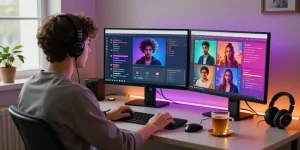
Creating a workspace that fosters creativity is essential for professionals in any artistic field. The environment you work in can significantly influence your productivity, inspiration, and overall mental well-being. By acknowledging the importance of a personalized atmosphere tailored to your individual needs, you can unlock your full creative potential. When exploring options, dianneprice.com provides comprehensive insights on optimizing your workspace to enhance your creativity.
Importance of a Personalized Environment
A personalized workspace can significantly impact your creativity and productivity. Studies show that people perform better when their environment reflects their personal preferences. This includes considerations such as color schemes, lighting, and even the layout of workspaces. Personalized environments help create a sense of ownership and comfort, allowing individuals to focus on their work without unnecessary distractions. Creating a space that resonates with your style not only boosts morale but enhances inspiration.
Choosing the Right Office Setup
Your office setup should cater to both functionality and comfort. For instance, if you thrive in a minimalist environment, consider a clean desk with limited distractions. Alternatively, if you find that inspiration comes from a vibrant and busy space, consider incorporating art, plants, and creative tools that stimulate your senses. Ergonomic furniture is also vital; ensuring your chair and desk are at the right height can minimize physical strain and keep you focused on your creative tasks.
Incorporating Inspiration into Design
When designing your workspace, think about what inspires you. This could be artwork, motivational quotes, or even objects tied to personal memories. Create a vision board or wall where these elements can coexist, serving as a constant source of inspiration. Additionally, consider integrating elements of nature into your design, such as plants or natural light, which have been shown to boost creativity and promote well-being.
Effective Time Management Strategies
Time management is an essential skill for anyone striving to excel in creative fields. Balancing multiple projects, deadlines, and inspiration can be challenging. By employing effective time management strategies, you can allocate your creative energy more efficiently and ensure you reach your goals without overwhelming yourself.
Setting Achievable Goals
Setting clear and achievable goals is the cornerstone of effective time management. Break down larger projects into smaller, manageable tasks. This not only makes the workload feel less daunting but allows for a clear progression from one task to the next. Use the SMART criteria—Specific, Measurable, Achievable, Relevant, and Time-bound—to outline your goals effectively.
Prioritization Techniques for Creative Projects
Prioritizing tasks is crucial in a creative workspace. One effective method is the Eisenhower Box, which categorizes tasks based on urgency and importance. This technique helps you focus on what needs immediate attention while allowing creative ideas to form without the pressure of deadlines. Additionally, consider implementing techniques like the Pomodoro Technique, which encourages focused work sessions followed by short breaks, making it easier to maintain high levels of creativity without burnout.
Tools to Improve Productivity
In today’s digital age, a plethora of tools can help enhance productivity. Project management software like Trello or Asana can keep your tasks organized, while time-tracking tools can help you understand where your time goes. For creatives, applications that provide ideation space—like Miro or Milanote—allow for visual brainstorming that can significantly enhance your creative process.
Leveraging Technology in Creative Work
Technology has revolutionized creative industries, enabling professionals to streamline their processes and enhance collaboration. Embracing the right technology can be a game-changer in the pursuit of creative excellence.
Essential Software for Creatives
Adopting the right software can drastically improve your workflow. Programs such as Adobe Creative Cloud for design, Final Cut Pro for video editing, and Sketch for UI/UX design are industry standards that allow for high-quality outputs. Furthermore, incorporating cloud storage solutions can ensure your work is safely backed up and easily accessible from anywhere.
Staying Updated with Trends
The creative industry is constantly evolving, and staying updated on the latest trends is crucial. Subscribing to design blogs, following industry leaders on social media, or attending webinars and online courses can keep your skills sharp and your ideas fresh. Engaging with communities on platforms like Behance or Dribbble can also provide insights into current trends and innovations.
Collaborative Tools for Team Projects
Collaboration is at the heart of many creative projects. Tools like Slack for communication, Google Workspace for document sharing, and Figma for design collaboration facilitate seamless teamwork. These platforms not only help manage projects effectively but also foster a creative exchange of ideas among team members, leading to more innovative outcomes.
Building a Strong Portfolio Online
In the digital age, having a robust online portfolio is a necessity for creative professionals. This serves as your calling card to potential clients or employers and should showcase your best work effectively.
Crafting the Perfect Online Presence
Your online portfolio should reflect your personal brand and creativity. Start by selecting a clean, visually appealing layout that highlights your work without distractions. Use high-quality images and ensure that each piece in your portfolio tells a story about your creative process and the challenges you overcame. This narrative not only engages visitors but demonstrates your problem-solving abilities.
Showcasing Your Work Effectively
Display your work in categories or themes that align with your niche. This organization helps viewers navigate through your portfolio and find relevant pieces. Include case studies or detailed descriptions of projects to provide context and highlight your skills. Additionally, consider including testimonials from clients or colleagues, as these lend credibility to your work.
Utilizing Social Media to Engage
Social media platforms are powerful tools for creatives to showcase their work. Platforms such as Instagram, Pinterest, and LinkedIn allow you to share your portfolio and engage with a broader audience. Regularly post updates about your work and interact with followers to create a community around your brand. Consider using hashtags strategically to increase visibility and connect with potential collaborators.
Future Trends in Creativity and Innovation
As we look towards 2026, various trends are emerging that will shape creative industries. Understanding these changes can help you remain relevant and innovative in your approach.
Emerging Technologies Shaping the Industry
Artificial intelligence and machine learning are transforming how creatives work, allowing for automation in mundane tasks and providing new tools for design and content creation. Virtual reality (VR) and augmented reality (AR) are also becoming more integrated into various creative fields, offering immersive experiences for storytelling and marketing.
Predictions for Creative Fields in 2026
By 2026, the creative landscape will likely be heavily influenced by sustainability and ethical practices. Creatives might need to focus on eco-friendly materials and processes, reshaping how products are designed and marketed. Additionally, inclusivity and diversity will continue to play pivotal roles in shaping creative narratives and marketing strategies.
Adapting to New Market Demands
In a world that is continuously changing, adaptability will be key for creative professionals. This includes being open to learning new technologies, understanding shifting consumer preferences, and being willing to pivot in your creative approach. Continuous education and networking will be vital components in maintaining relevance in the industry.
How to Stay Ahead in Creativity?
To stay ahead in creativity, embrace lifelong learning. Attend workshops, online courses, and industry conferences to network with other professionals and stay updated on best practices. Regularly solicit feedback from peers and clients to refine your work and approach. Most importantly, cultivate a habit of experimentation; breaking out of your comfort zone can lead to groundbreaking ideas and innovations.
What are the best practices for home office setup?
When setting up a home office, prioritize ergonomics, natural lighting, and organization. Invest in a comfortable chair and desk, eliminate distractions, and keep your space tidy to maximize productivity. Personalize the area with motivating artwork or plants, creating an environment that fosters creativity.
How can technology enhance creative work?
Technology can enhance creative work by offering tools for collaboration, access to vast resources, and automation for repetitive tasks. Utilizing software for ideation, project management, and design enables creative professionals to focus on what they do best—creating.
What trends should creatives watch for in 2026?
Creatives should pay attention to trends in sustainability, inclusivity, and the integration of emerging technologies such as AI and AR. These trends will shape how creative projects are conceived and delivered, pushing the boundaries of traditional boundaries of creativity.
How do I effectively manage time for creativity?
Managing time for creativity involves setting clear priorities, breaking tasks into smaller chunks, and utilizing productivity techniques like time blocking. Ensuring that you have dedicated creative time helps in maintaining the flow and reducing burnout.
What tools are essential for building an online portfolio?
Essential tools for creating an online portfolio include website builders like WordPress or Squarespace, image editing software, and social media for promotion. These tools enable you to craft a visually appealing and accessible portfolio that showcases your work effectively.