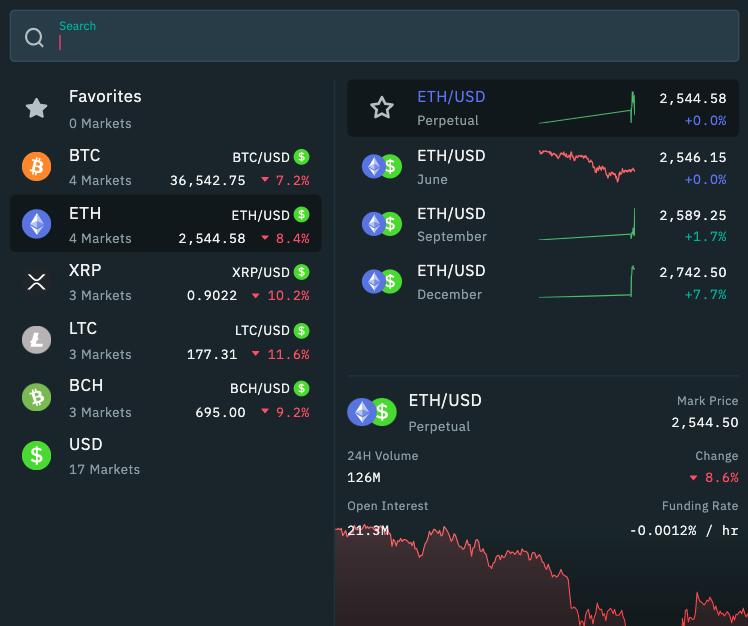
Understanding Stock Market Data APIs
In the ever-evolving landscape of finance, blockchain technology has emerged as a transformative force, reshaping how we interact with data, conduct transactions, and approach investments. The integration of blockchain with stock market data APIs marks a significant innovation, driving the development of more reliable, decentralized, and transparent financial services. A stock market data REST API empowers developers, trading platforms, and research institutions by providing real-time and historical data, enabling more informed investment decisions and effective trading strategies.
What is a Stock Market Data REST API?
A Stock Market Data REST API serves as an interface that allows applications to access and manipulate stock market data through standard HTTP requests. Utilizing REST (Representational State Transfer) architecture, these APIs enable developers to collect data from various sources in a streamlined manner, making it easier to integrate into applications, trading platforms, and analytical tools. Developers may retrieve data points such as current stock prices, historical trends, volume metrics, and even real-time order books, facilitating dynamic trading and investment strategies.
Key Features of Real-Time Data APIs
- Real-Time Data Streaming: APIs provide continuous data feeds, delivering split-second updates on market activity that are crucial for high-frequency trading (HFT) strategies.
- Historical Data Access: Users can analyze past performance through extensive historical data sets, which can enhance technical analyses and investment strategies.
- Multiple Data Formats: Stock market APIs often support various output formats, including JSON and CSV, making integration with different applications straightforward.
- Robust Search Capabilities: These APIs allow users to filter through vast amounts of data to find specific stocks or market indicators relevant to their needs.
Comparative Advantages Over Traditional Data Feeds
Compared to traditional data feeds, stock market data REST APIs offer significant advantages such as lower latency, broader data coverage, and cost-efficient access. Legacy systems often rely on outdated infrastructure, making them slow to respond to market changes. In contrast, REST APIs operate over the internet and generally provide faster, more responsive access to data, essential for modern trading strategies that depend on speed and accuracy.
Building Trading Strategies with APIs
Utilizing stock market data APIs effectively can significantly enhance trading strategies for developers and institutional traders alike. Integrating APIs into trading platforms not only improves data accessibility but also enables innovative trading functionalities, such as automated trading systems and algorithmic trading.
Integrating APIs into Trading Platforms
Integrating stock market data APIs into trading platforms allows developers to create sophisticated systems that automatically execute trades based on predefined criteria. These systems can analyze real-time market data and historical trends, generating trading signals aligned with user-defined strategies. Additionally, APIs can support automated risk management features, dynamically adjusting trading strategies to reflect market conditions.
Utilizing Historical Data for Analysis
Historical data analysis is essential for developing effective trading strategies. By using APIs, traders can access decades of historical stock data, allowing them to identify patterns, trends, and potential market movements. This data can be particularly beneficial for those employing technical analysis methodologies, such as moving averages or support and resistance levels, which rely heavily on historical price movements.
Real-Time Monitoring and Alerts Setup
Real-time monitoring is crucial for any trader looking to stay ahead of market movements. APIs can be configured to trigger alerts based on specific criteria, such as price thresholds or market events. This functionality ensures that traders can react promptly to changes in the market landscape, enhancing their chances of success.
Security Considerations in API Usage
As financial services increasingly adopt technology-driven solutions, security considerations have gained paramount importance. Using stock market APIs necessitates understanding the potential risks and implementing robust security measures to protect data integrity and user assets.
Secure API Key Management Practices
API keys are vital for authentication and security in API interactions. Developers must implement best practices for API key management, such as storing them in secure environments and continuously rotating keys to minimize the risk of unauthorized access. Failure to secure API keys effectively can lead to data breaches or financial losses.
Protecting Transactions with Encryption
Data transmission over the internet exposes sensitive information to potential interception. Implementing encryption protocols, such as HTTPS for secure communication, is essential to ensure that data remains confidential during transmission. Furthermore, encrypting sensitive data at rest, such as user credentials, adds another layer of protection.
Common Cybersecurity Threats to Watch
Several cybersecurity threats can arise when utilizing stock market data APIs. Developers and users must be aware of risks, including phishing attacks, which trick users into providing sensitive information, and malware, which can compromise devices accessing APIs. Regular security audits and threat assessments should be conducted to identify and mitigate vulnerabilities.
Market Data Analysis Techniques
Effectively analyzing stock market data is vital for informed trading and investment decisions. By employing various analysis techniques, traders can assess market conditions and identify opportunities for profitable trades.
Technical Analysis Tools and Metrics
Traders frequently utilize technical analysis to predict market movements. Tools such as relative strength index (RSI), moving averages, and Fibonacci retracement levels help traders assess market trends and potential entry and exit points. By integrating real-time stock API data with these tools, traders can enhance their analysis and decision-making processes.
Understanding Market Sentiment through Data
Market sentiment plays a pivotal role in trading. Analyzing sentiment data, such as social media activity and news sentiment, can provide insights into how other market participants feel about particular stocks. APIs that aggregate sentiment analysis can assist traders in gauging market mood, helping them make informed decisions.
Utilizing AI for Predictive Analytics
Artificial intelligence (AI) technologies can revolutionize trading strategies by predicting price movements based on vast datasets and historical trends. Machine learning algorithms can identify patterns that human traders might overlook, enabling more accurate forecasts. Developers can leverage stock market data APIs to feed AI systems with current and historical data necessary for training predictive models.
Future Trends in Stock Market APIs
The landscape of stock market data APIs is continuously evolving, shaped by technological advancements and regulatory developments. Here are some key trends to watch for in 2026 and beyond.
Evolving Compliance Regulations for 2026
As the financial industry adapts to rapid technological changes, regulatory bodies are working to keep pace. The SEC (Securities and Exchange Commission) and other governing agencies are expected to introduce updated regulations that reflect the unique challenges posed by digital currencies and blockchain technology, including stricter compliance requirements for APIs.
The Role of Blockchain in Data Transparency
Blockchain technology stands to enhance transparency and trust in stock market data APIs. By employing distributed ledger technology (DLT), financial institutions can ensure data integrity and provide verifiable histories of transactions, contributing to a more trustworthy trading environment.
Emerging Technologies Shaping Financial Data Delivery
Technologies such as artificial intelligence, machine learning, and the Internet of Things (IoT) are influencing how data is delivered and processed in trading. These technologies enable real-time data streaming and analysis, facilitating more efficient trading ecosystems that respond to market changes seamlessly.
Regulatory & Legal Compliance
The integration of stock market APIs into financial ecosystems necessitates a thorough understanding of regulatory and legal frameworks. Compliance with these regulations is crucial for avoiding penalties and ensuring the sustainability of financial services.
2026 Regulatory Landscape
As the cryptocurrency and digital asset markets continue to expand, regulatory frameworks will increasingly become a focal point. Notably, the SEC emphasizes classifying digital assets correctly, which could affect how APIs provide data related to securities and non-securities. Additionally, initiatives like the MiCA (Markets in Crypto-Assets) regulation in the EU will shape operational constraints for data providers and traders.
AML/KYC Requirements for Exchanges
Anti-Money Laundering (AML) and Know Your Customer (KYC) regulations are becoming standard across financial sectors, impacting API usage. Trading platforms and stock market data providers are required to implement KYC measures to identify and verify users, reducing the risk of illicit activities.
Tax Implications and Reporting Requirements
Understanding the tax implications of trading digital assets is essential for both individual and institutional investors. Proper reporting of gains and losses associated with trading activities must be facilitated through accurate data provided by APIs, ensuring compliance with local tax regulations.
Security Threats & Risk Management
In the rapidly advancing world of trading, security threats remain a prominent concern. Effectively managing these risks is critical for preserving capital and ensuring user confidence.
Common Security Threats
- Phishing Attacks: Users are often targeted through deceptive emails or websites seeking to extract sensitive information.
- Sim-Swap Attacks: Attackers may hijack phone numbers to gain access to user accounts, compromising security.
- Malware and Keyloggers: Malicious software can capture keystrokes and steal sensitive information.
- Fake ICOs and Rug Pulls: Investors may be lured into fraudulent schemes that promise high returns but result in losses.
- Exit Scams and Ponzi Schemes: Scammers mislead investors by creating schemes that ultimately collapse.
Providing Risk Mitigation Strategies
To safeguard investments, users should employ various risk mitigation strategies, including thorough due diligence and red flag identification. Community reputation checks, contract audit verifications, and employing stop-loss orders can further enhance user security during trading.
Content Quality & Depth
As the field of trading and investment evolves, providing technically accurate content while remaining accessible to users of various skill levels is paramount. Continuous education regarding the stock market and evolving technologies like blockchain will empower users to navigate the complexities of trading confidently.
Actionable Strategies for Readers
Readers should focus on developing a diversified portfolio that encompasses a range of assets, including cryptocurrencies, to manage market volatility effectively. Employing strategies such as dollar-cost averaging (DCA) and understanding market cycles can help investors make informed decisions about when to enter or exit positions.
Comparative Analysis of Blockchain Solutions
A thorough understanding of the differences between centralized finance (CeFi) and decentralized finance (DeFi) solutions is crucial for users looking to optimize their trading strategies. CeFi platforms typically offer higher liquidity and easier access to fiat currencies, while DeFi platforms provide enhanced privacy and security through decentralized protocols.
Final Thoughts
The integration of advanced technologies like blockchain with stock market data REST APIs represents a significant leap forward in achieving efficiency, transparency, and reliability in financial markets. As the financial landscape continues to adapt to these innovations, continuous education and awareness of risks will be vital for users engaging in trading and investment activities.