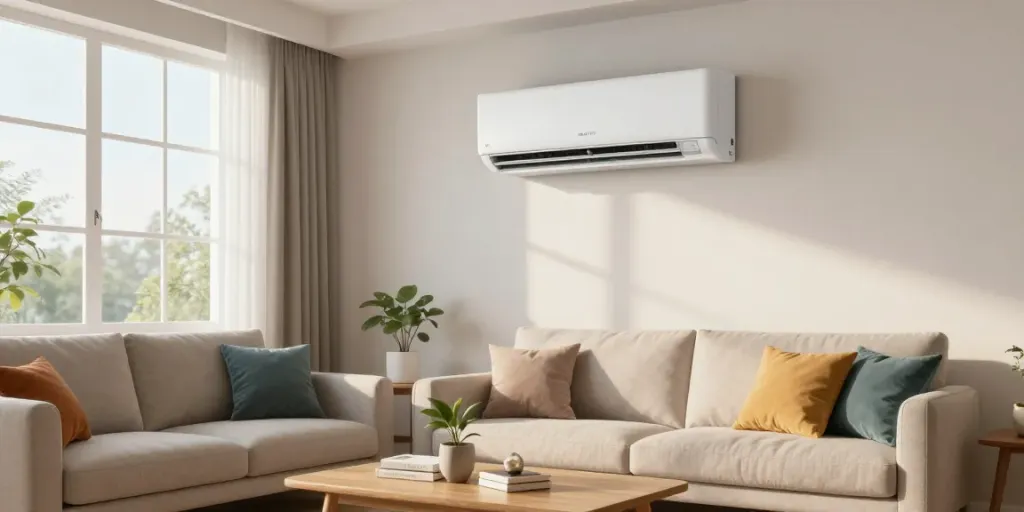
Understanding the Basics of 18k BTU Mini Splits
When it comes to efficient home heating and cooling solutions, the 18k btu mini split system has gained significant popularity among homeowners and contractors alike. These systems deliver powerful cooling and heating capabilities, making them ideal for a variety of residential settings. Whether you’re looking to manage temperatures in larger living rooms or open-concept spaces, understanding the fundamentals of 18k BTU mini splits is essential for both comfort and cost-effectiveness.
What is an 18k BTU Mini Split?
An 18k BTU mini split is a type of ductless air conditioning and heating system that can efficiently provide comfort in spaces up to 1,000 square feet, depending on insulation and layout. The term "BTU" stands for British Thermal Unit, which measures the amount of heat required to raise the temperature of one pound of water by one degree Fahrenheit. Thus, an 18k BTU system can remove or add enough heat to maintain comfortable indoor temperatures in various settings including homes, offices, and garages.
How Do Mini Splits Work?
Mini split systems consist of two main components: an outdoor compressor unit and one or more indoor air handling units. The outdoor unit houses the compressor and condenser, while the indoor units distribute the conditioned air into the living space. The system operates by using refrigerant, which absorbs heat from inside your home and releases it outdoors, or vice versa during heating modes. The absence of ductwork not only simplifies installation but also increases energy efficiency, allowing homeowners to save on energy bills.
Benefits of Choosing an 18k BTU Mini Split
- Energy Efficiency: Mini splits are known for their high SEER (Seasonal Energy Efficiency Ratio) ratings, often exceeding 20, which translates to lower energy consumption compared to traditional HVAC systems.
- Flexible Installation: Without the need for ductwork, mini splits provide more options for installation, enabling homeowners to optimize their space and design.
- Zone Control: With the ability to independently control the temperature in different areas of the home, mini splits allow for personalized comfort and can reduce energy waste.
- Heating Capabilities: Many mini splits offer heating functions, making them a versatile choice for year-round climate control.
Key Features to Look for in an 18k BTU Mini Split
Energy Efficiency Ratings and What They Mean
When selecting an 18k BTU mini split, understanding energy efficiency ratings is crucial. Look for units with a high SEER rating, which indicates better energy performance. A SEER rating of 16 or higher is considered excellent, ensuring significant savings on heating and cooling costs. Additionally, the HSPF (Heating Season Performance Factor) rating is important for heating efficiency. Opting for models with Energy Star certification can further guarantee compliance with energy-saving standards.
Essential Features for Optimal Performance
Aside from energy ratings, various features can enhance the functionality of mini split systems. Some valuable features include:
- Programmable Thermostats: Allowing homeowners to set schedules for heating and cooling, improving energy savings.
- Multiple Indoor Units: Facilitating zoning capabilities by allowing different areas to be controlled independently.
- Inverter Technology: Adjusting compressor speed according to the cooling or heating demand, which contributes to efficiency and quieter operation.
- High-Performance Filters: Including HEPA filters that capture allergens and improve indoor air quality.
Smart Technology Integration in Modern Units
Today's mini splits increasingly come with smart technology features, such as Wi-Fi connectivity, enabling homeowners to control their systems remotely via smartphones or smart home devices. This integration not only enhances convenience but also allows for monitoring energy usage, identifying potential issues, and optimizing system settings for maximum efficiency.
Installation and Maintenance Best Practices
Step-by-Step Guide to Installing Your Mini Split
Installing an 18k BTU mini split requires careful planning and execution. Here’s a simplified guide to ensure a hassle-free installation:
- Choose the Right Location: Identify optimal placement for the indoor and outdoor units, ideally in shaded areas away from direct sunlight, to maximize efficiency.
- Mount the Indoor Unit: Use brackets to securely mount the indoor unit on the wall, ensuring it’s level and accessible for maintenance.
- Install the Outdoor Unit: The outdoor unit should be positioned on a stable base, with sufficient clearance for airflow.
- Connect Refrigerant Lines: Run refrigerant and drainage lines between the indoor and outdoor units, ensuring proper insulation.
- Set Up Electrical Connections: Ensure that the system is connected to an appropriate power supply, following all safety guidelines.
- Test the System: Once installed, run tests to ensure the system is functioning correctly, and troubleshoot any issues.
Common Installation Mistakes to Avoid
To ensure your mini split operates efficiently, be aware of common installation errors:
- Poor Location Choice: Installing units in places with limited airflow can lead to inefficiencies.
- Improper Refrigerant Levels: Ensure correct refrigerant levels to avoid system damage or inefficiencies.
- Overlooking Electrical Requirements: Always check voltage and current requirements before installation.
Maintaining Your 18k BTU Mini Split for Longevity
Regular maintenance is key to the longevity and efficiency of your mini split system. Here's what you should focus on:
- Clean or Replace Filters: Regularly check and clean or replace filters to maintain airflow and indoor air quality.
- Inspect Drain Lines: Ensure drain lines are clear to prevent water damage and maintain efficiency.
- Schedule Annual Professional Maintenance: Have a professional technician inspect and service your system annually to catch potential issues early.
Cost Considerations and Budgeting for Your Mini Split
Average Cost of an 18k BTU Mini Split System
The cost of an 18k BTU mini split system can vary significantly based on factors such as brand, efficiency ratings, and installation. On average, homeowners can expect to pay between $3,000 and $5,000, including installation. Higher-end units with additional features can cost more but may offer long-term savings through enhanced energy efficiency.
Running Costs: Energy Consumption Insights
Understanding the running costs associated with your mini split is crucial for financial planning. The average annual electricity consumption for an 18k BTU mini split ranges from 1,500 to 2,500 kWh, depending on usage patterns and local electricity prices. Using an efficient model during peak seasons can lead to substantial savings compared to traditional HVAC systems.
Financing Options and Rebates for Energy Efficiency
Many states and energy companies incentivize the purchase of energy-efficient appliances through rebates and financing options. Homeowners should explore available programs that can reduce upfront costs, especially for Energy Star-rated systems which may qualify for additional savings or tax credits.
Future Trends in Mini Split Technology (2026 and Beyond)
Emerging Technologies for Increased Efficiency
The mini split industry is evolving rapidly, with advancements designed to enhance efficiency and user-friendliness. Expect to see developments in variable speed compressors, which can adjust their operation based on real-time cooling or heating needs, leading to reduced energy consumption and increased comfort.
Eco-friendly Innovations in Cooling Solutions
As environmental concerns remain a priority, manufacturers are focusing on eco-friendly refrigerants with lower global warming potential (GWP). Innovations in natural refrigerants, such as propane or CO2, can significantly minimize the environmental impact while maintaining efficiency standards.
What to Expect in Mini Split Features by 2026
By 2026, we anticipate mini splits equipped with advanced smart home technology, allowing for improved user control and integration with other home systems. Features like predictive maintenance alerts, automatic diagnostics, and enhanced user interfaces will likely become standard, further improving the user experience and system performance.